
Clean, Smooth Surfaces Help Wax Bond Better and Last Longer
Preparing boat surfaces the right way makes waxing easier and helps the finish last longer. Dirt, salt, and old residue can block wax from bonding to the surface. If you take time to wash, dry, and smooth the boat first, the wax will spread evenly and protect the gel coat better. A clean surface also gives you a deeper shine and stronger water resistance.
What You Need Before You Start
Before waxing, gather all your supplies. Having everything ready saves time and keeps the process smooth.
- Boat soap (not regular dish soap)
- Soft wash mitt or sponge
- Hose with fresh water
- Microfiber drying towels
- Marine surface cleaner or degreaser
- Clay bar or light polish (if needed)
- Painter’s tape for trim and edges
- Boat wax and clean applicator pads
Using the right products matters. Household cleaners can strip oils and damage the finish. Marine products are made for fiberglass and gel coat surfaces.
Step-by-Step Surface Preparation
Follow these steps before you begin waxing:
- Rinse the boat. Spray the entire surface with fresh water. This removes loose dirt and salt.
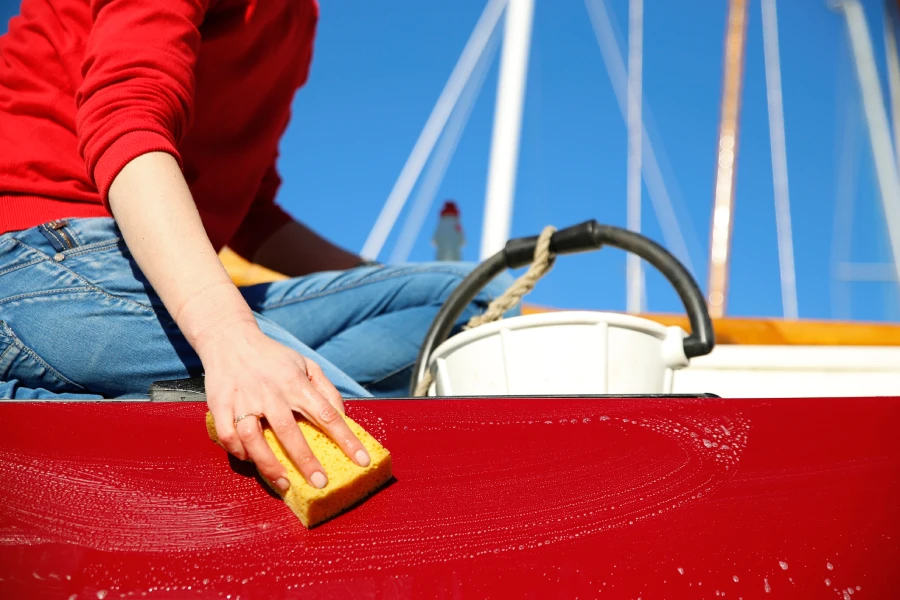
- Wash with boat soap. Use a soft mitt and scrub gently from top to bottom. Work in small sections.
- Rinse again. Do not let soap dry on the surface. Rinse each section as you finish it.
- Dry completely. Use clean microfiber towels. Water spots can form if the boat air-dries.
- Inspect the surface. Look for stains, oxidation, or rough patches.
- Remove stains or oxidation. Use a marine cleaner or light polish if the surface looks dull or chalky.
- Clay the surface if needed. A clay bar lifts embedded grime that washing cannot remove.
- Tape off trim and hardware. Protect rubber seals and metal fittings before waxing.
When the surface feels smooth and looks clean, you are ready for waxing. Running your hand over the hull should feel slick, not gritty.
Common Mistakes to Avoid
Skipping preparation is the most common mistake. Wax will not bond well to dirt or oxidation. It may streak or wear off quickly.
Here are other mistakes people make:
- Washing in direct sunlight, which causes soap to dry too fast
- Using harsh brushes that scratch the gel coat
- Waxing over salt residue
- Ignoring mold or mildew spots
- Applying wax on a wet surface
Another issue is using too much product. Thick layers do not protect more. They only make buffing harder. Surface prep and thin, even coats give better results.
Why Surface Condition Matters so Much
Boats face sun, water, and air every day. Over time, UV rays break down the gel coat. Salt dries on the surface. Algae and grime stick to the hull. If you apply wax without correcting these problems, you seal them under the surface.
Proper preparation restores the smooth outer layer. This allows waxing to add a strong protective barrier. That barrier helps repel water, block UV rays, and keep dirt from sticking as easily. The smoother the surface, the better the shine.
When to Call a Professional
Light cleaning and basic prep can be handled by many boat owners. But some cases need expert care.
You may want professional help if:
- The hull looks heavily oxidized or chalky
- There are deep stains that will not come off
- The surface feels rough even after washing
- You see small cracks in the gel coat
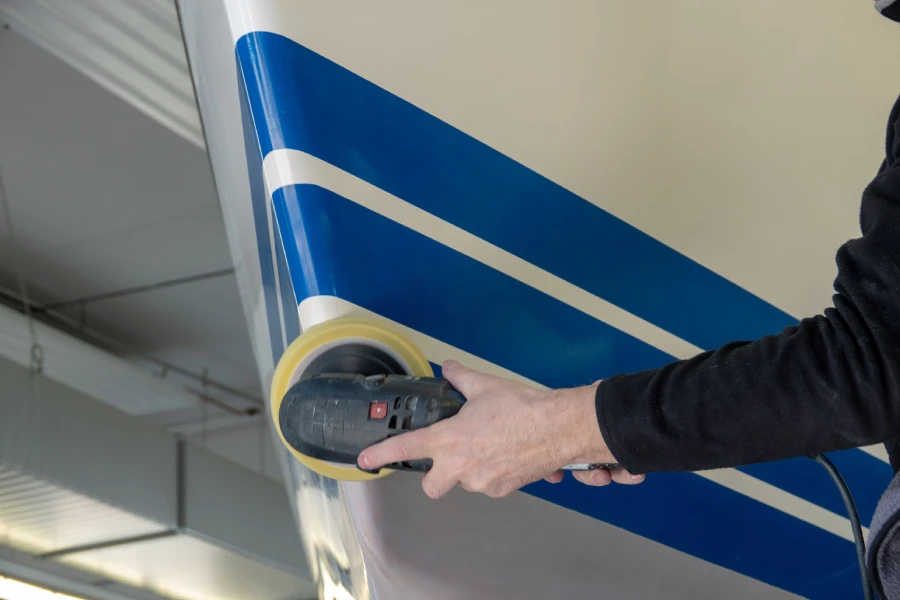
- You do not have the time or tools for machine polishing
Professional detailing teams use buffers, compounds, and marine-grade products that correct damage safely. They can restore gloss before applying wax, which improves protection and appearance.
Keep Your Boat Ready for the Water
Taking care of the surface before waxing protects your investment. In Fort Lauderdale, FL, boats deal with sun exposure and water conditions that can wear down finishes quickly. At East Coast Boat Detailing, we help boat owners clean, correct, and protect their vessels the right way. If you want longer-lasting protection and a smooth, glossy finish, call us at (954) 803-6238 and let our team handle the hard work for you.